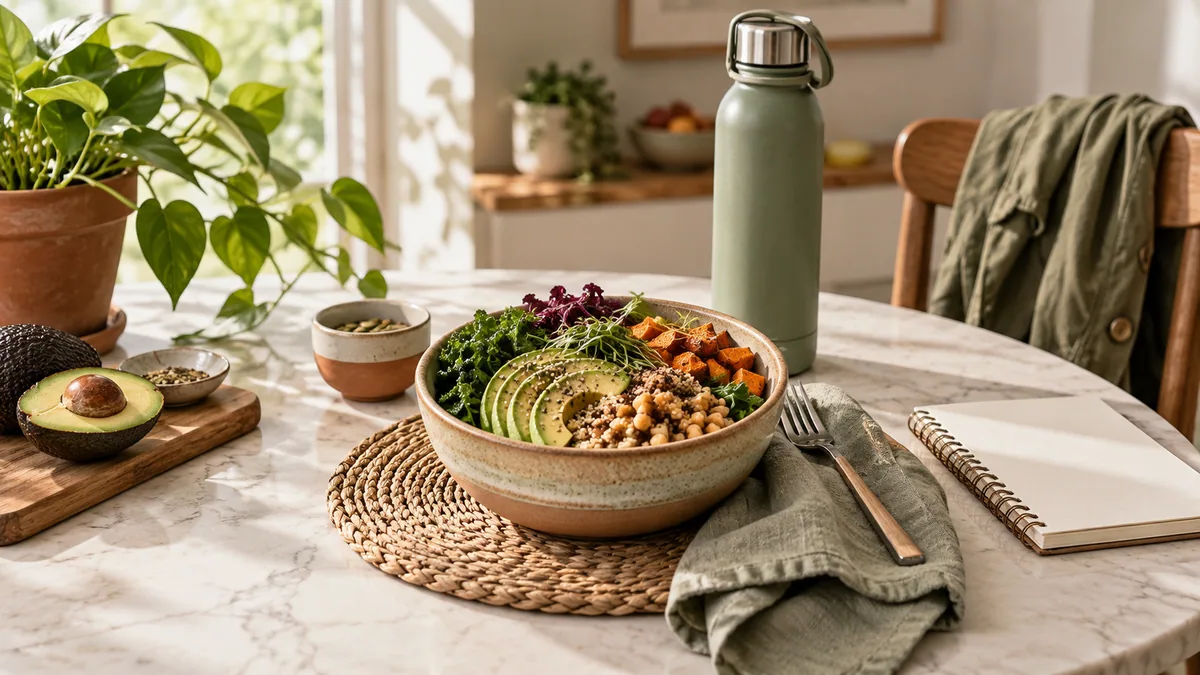
It can look as though someone eats anything they want and never gains weight. But a few shared meals do not show their overall intake, activity, genetics, health or circumstances. Body size is not a reliable summary of behaviour or wellbeing.
Avoid turning observations into rules
Statements such as “thin people never snack” or “they never eat emotionally” are stereotypes. Meal timing and appetite differ. A habit that suits one person may be impractical or unhelpful for another.
Useful questions about your own routine
- Do long gaps between meals leave you uncomfortable or very hungry?
- Can you notice fullness without feeling pressured to clear the plate?
- What movement fits your day and current ability?
- Are sleep, stress or food access making the routine harder?
Make one change you can evaluate
Choose a specific action, such as preparing a convenient lunch or taking a short movement break. Judge it by whether it supports your day, not by whether it makes you resemble someone else. If eating or weight thoughts become distressing, professional support is more useful than stricter rules.
00