Sodium has essential roles in the body, but high intake can contribute to raised blood pressure. Much of the sodium in a diet may come from prepared foods, sauces and restaurant meals, not only salt added at the table. The exact pattern depends on where and what you eat.
Compare the same units
Check whether the label reports salt or sodium, and whether the amount is per serving or per 100 g. Comparing two different serving sizes can be misleading. Review the amount you actually use, especially for sauces and condiments.
Try a practical replacement
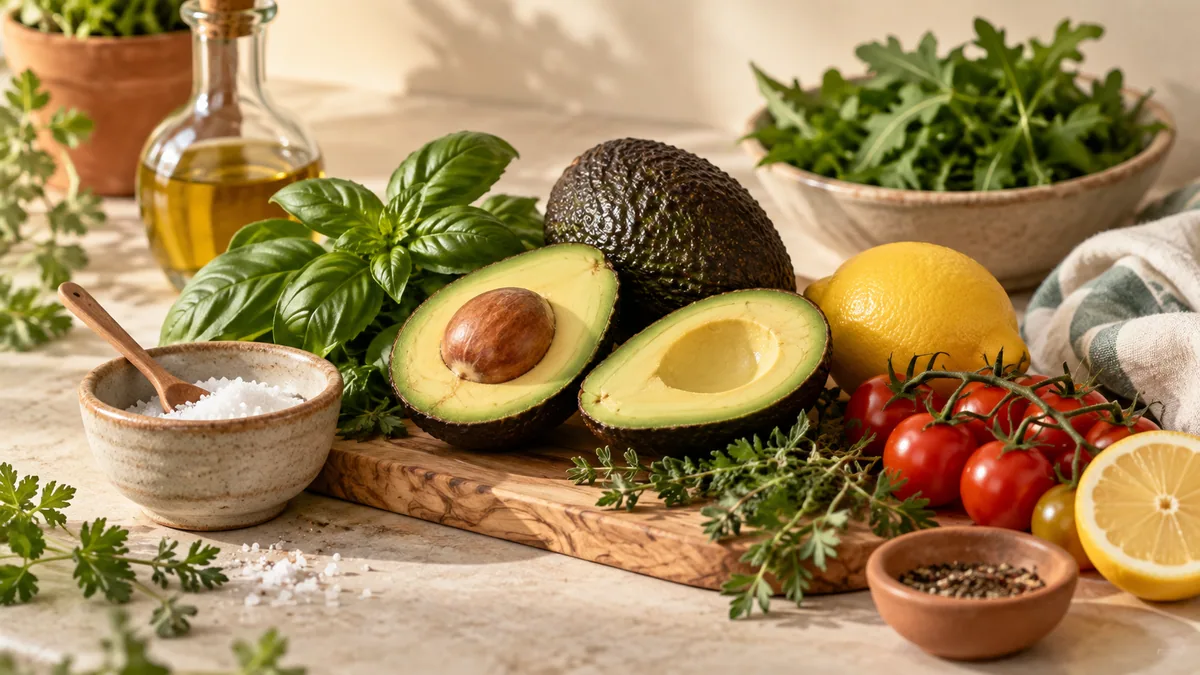
Use herbs, spices, garlic or citrus to add flavour, and reduce added salt gradually if that suits you. Check ready-made seasonings too: a different flavour does not necessarily mean less sodium.
Do not self-treat swelling
Short-term weight changes can include changes in fluid, but swelling has many possible causes. Drinking excessive water or adding potassium supplements is not a general solution. Kidney disease, heart conditions and some medicines make individual advice particularly important.
Source: WHO: sodium reduction.
00