“Superfood” is a marketing term, not a standard clinical category. Some foods are rich in particular nutrients, but that does not give them the power to reverse disease or cancel the rest of a diet.
Ask what the food contributes
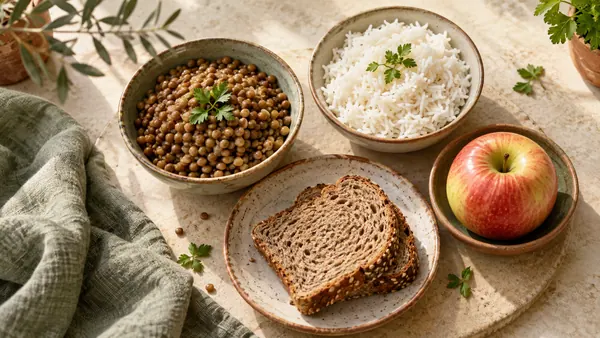
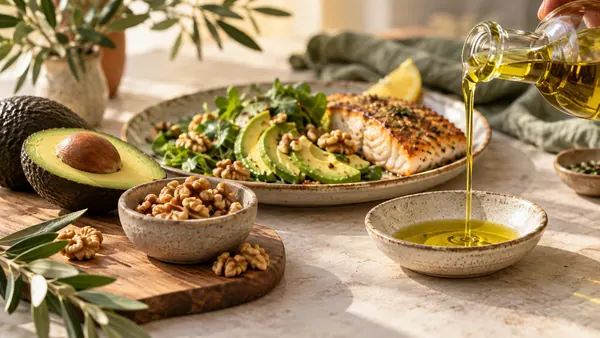
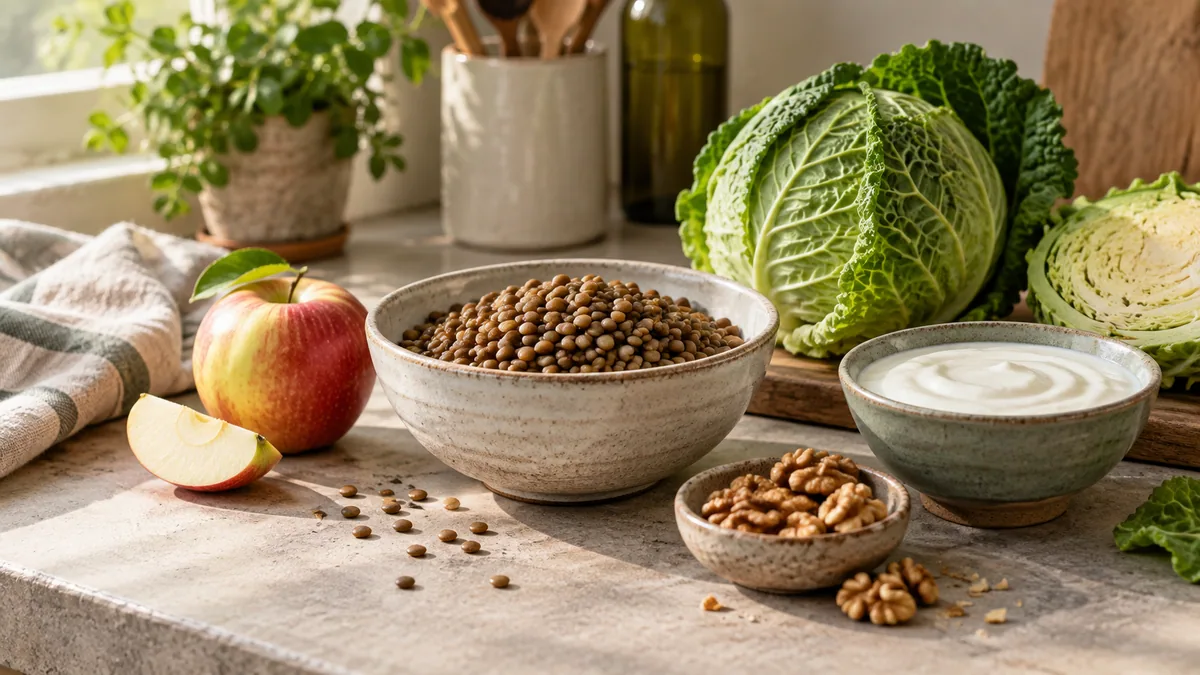
Seeds, whole grains, vegetables, fruit, legumes and nuts can each contribute different nutrients. A fashionable ingredient may be one option, not a requirement. Familiar foods such as lentils, oats or seasonal vegetables can be practical alternatives.
Consider cost and use
Before buying a special powder or imported food, ask whether you enjoy it, can afford it and know how to use it. A product you will not eat is not a useful addition, regardless of the claims on its packaging.
Build a pattern
Choose variety over time and adapt portions to your needs. No single ingredient guarantees stable blood sugar, lower inflammation or weight loss. Health conditions may require specific advice that a general “superfood” list cannot provide.
Further reading: WHO: a healthy diet and calories and food quality.
00